


Marriage is an important part of life, but sometimes relationships face challenges that cannot be resolved through mutual understanding. When a marriage reaches a point where separation becomes necessary, understanding the legal process is important.
Divorce in India is governed by different personal laws depending on the religion and applicable legal framework of the individuals involved. Knowing your rights and responsibilities can help you make informed decisions during this difficult time.
What Is Divorce?
Divorce is the legal process through which a marriage is formally dissolved by a competent court. After the divorce decree, both individuals are legally free to remarry, subject to applicable legal requirements.
Types of Divorce in India
1. Mutual Consent Divorce
A mutual consent divorce takes place when both husband and wife agree to end their marriage. They generally need to agree on important matters such as maintenance, child custody, and property-related arrangements.
Under Section 13B of the Hindu Marriage Act, 1955, mutual consent divorce is available to eligible couples governed by that Act.
2. Contested Divorce
A contested divorce occurs when one spouse seeks divorce and the other does not agree, or when the parties disagree on the grounds or terms of divorce.
The court examines the facts, evidence, and applicable legal grounds before making a decision.
Common Legal Grounds for Divorce
governing legislation. point ko number me kardo
Depending on the applicable personal law, grounds may include:
Cruelty
Adultery
Desertion
Conversion
Certain mental health-related legal grounds
Other grounds recognised under the applicable law
The availability and legal requirements of each ground depend on the governing legislation.
Important Rights During Divorce
Understanding your rights is essential when going through a divorce.
Maintenance and Financial Support
A spouse may be eligible to seek maintenance or financial support depending on the applicable law, financial circumstances, and facts of the case.
Child Custody
When children are involved, courts primarily consider their welfare and best interests while deciding custody and visitation arrangements.
Property and Financial Matters
Property ownership, jointly held assets, financial responsibilities, and other claims may need separate legal consideration.
Steps Involved in the Divorce Process
Understand the applicable divorce law.
Consult a qualified legal professional.
Prepare the required documents.
File the appropriate petition before the competent court.
Participate in court proceedings or mediation, where applicable.
Obtain the final court order or divorce decree.
The process and timeline vary depending on the type of divorce and circumstances of the case.
Why Is Legal Guidance Important?
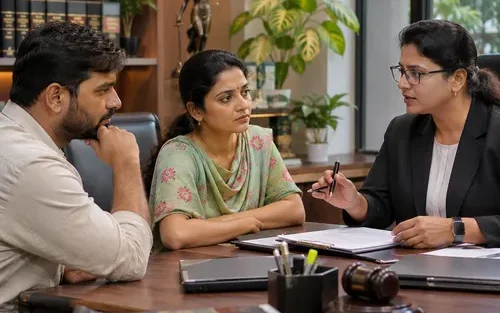
Divorce involves emotional, financial, and legal considerations. Professional legal guidance can help you understand your options, prepare documentation, protect your interests, and approach the process with greater clarity.
Get Legal Guidance from THE LAW MITRA
At THE LAW MITRA, we understand that family-related legal matters require sensitivity, confidentiality, and clear communication.
We aim to provide practical legal guidance to help individuals understand their rights and explore appropriate legal solutions.
Need guidance regarding divorce or family matters? Contact THE LAW MITRA today.
Your Rights Matter. Your Trust Matters.

